
Turning OC Disappointment into Selective School Success
Aug 28 2025

OC Didn’t Work Out? Here’s the Bigger Picture
Missing out on an Opportunity Class can be disappointing—but it doesn’t close doors. Think of it as a strategic pause, an opportunity to approach selective school entry with focus and planning.
| Tip: Treat setbacks as a launchpad, not a dead-end. |
Why it matters:
NSW selective schools have over 4,000 spots, more than double OC placements (1,840). Even without OC, your child can still aim high.
Realizing Potential Without OC
Many students succeed in selective schools without OC experience. The key?
● Identifying strengths early
● Spotting gaps and working on them consistently
● Developing study habits and resilience

| Key Insight: OC is a stepping stone, not the only path. |
Selective School Test – What Has Changed?
Instead of four isolated sections, think of the test as a holistic skill assessment:
| Component | Focus |
| Reading | Comprehension, inference, complex texts |
| Writing | Real-world topics, multiple formats |
| Thinking Skills | Logic, pattern recognition, verbal reasoning |
| Math Reasoning | Multi-step reasoning, higher-order problem solving |
| Important: All components now carry equal weight (25%). School assessment marks no longer count. |
| Heads-Up: Each year, difficulty rises by ~10–15%. By Year 6, expect the test to be ~30% more challenging than before. |
Creating a Smart Study Routine
Long-term success comes from adaptive, consistent planning, not last-minute cramming.
Study Flow Suggestions
| 1. Right After OC Results | Reflect on strengths and gaps |
| Avoid long breaks to keep momentum | |
| 2. Year 5 – Terms 1–2 | Build vocabulary and reading foundations |
| Familiarize with new test formats | |
| 3. Year 5 – Terms 3–4 | Start tackling higher-level questions |
| Practice multi-step problem solving | |
| 4. Summer Holidays | Intensive revision and mock exams |
| Focus on weak areas | |
| 5. Year 6 – Terms 1–2 | Simulate test conditions |
| Fine-tune timing, stamina, and strategy |

| Pro Tip: Even 20–30 minutes daily of consistent work beats long gaps. |
Component-by-Component Prep Tips
| Reading Comprehension |
| ● Read widely: fiction, non-fiction, news articles ● Build vocabulary (Vocabulary.com, weekly word lists) ● Practice inference and analysis Mini-Tip: Discuss what you read with family or peers to deepen comprehension. |
| Writing |
| ● Diversify text types: speeches, letters, articles ● Focus on clarity, argument structure, and vocabulary ● Practice weekly, review and revise Resources: Pobble365, BTN (Behind the News) Reminder: Writing is now 25% of the test—don’t neglect it. |
| Thinking Skills |
| ● Engage in logic puzzles, pattern recognition games ● Practice verbal reasoning and problem sequences ● Use updated question types only Goal: Build an edge in the section many students underprepare. |
| Mathematical Reasoning |
| ● Focus on multi-step problems, algebra, geometry, data interpretation ● Incorporate mental maths and applied problems ● Olympiad-style questions are highly beneficial Resources: Khan Academy, Math-Drills.com, past selective school papers Tip: Integrate concepts rather than just rote practice. |
Parental Support Strategies

Balance
Include breaks, hobbies, and physical activity
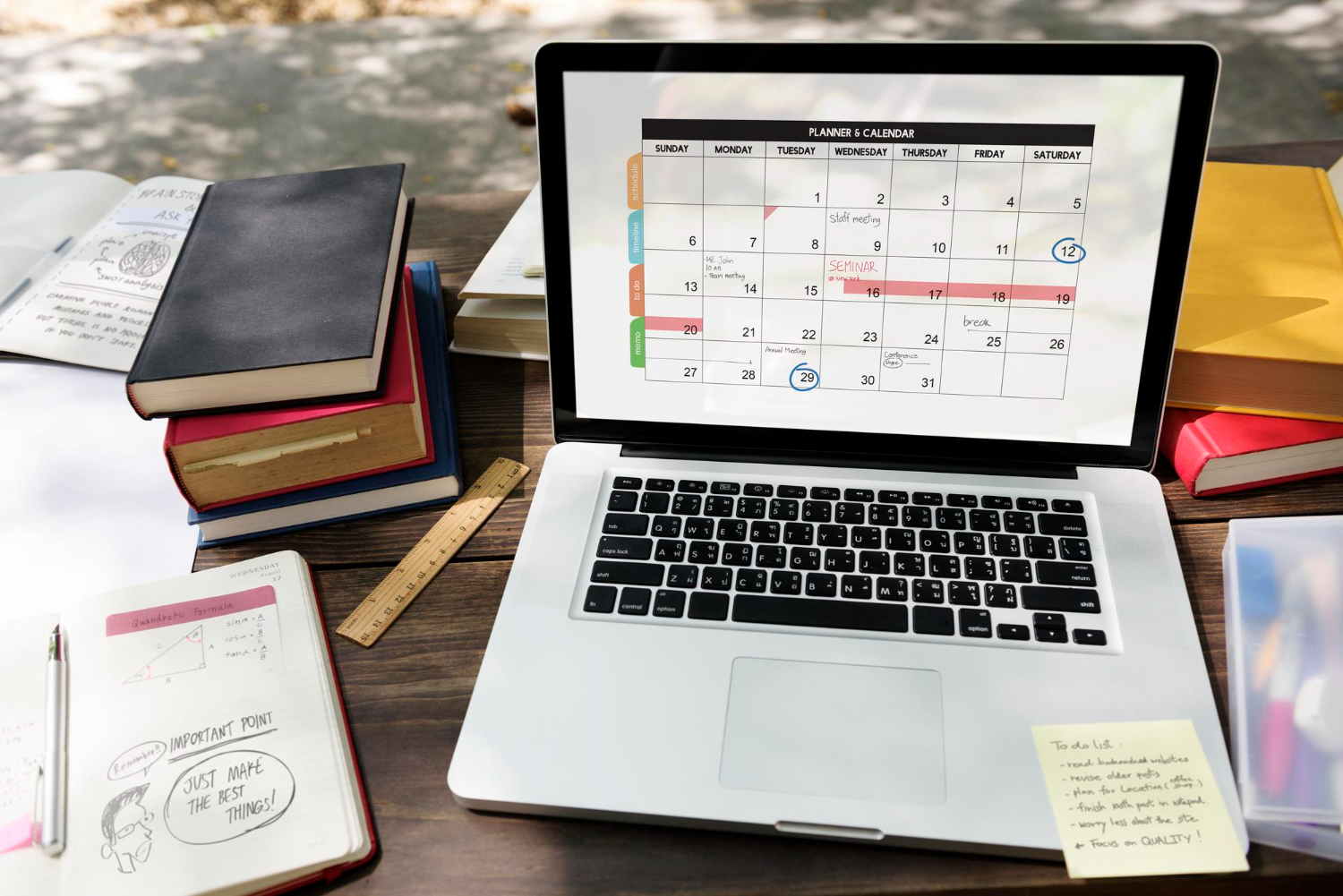
Routine
Consistent schedule and study environment

Encouragement
Praise effort, strategy, and growth, not just marks
Action Plan: Transform Setback into Momentum
| Remember: Consistency > intensity. Start small, stay steady, and success will follow. |
© Pre-Uni New College Head Office. All rights reserved. If you would like to share this article, please use the official article link rather than reproducing its content.


More articles